
Safety
July 23, 2026 · 9 min
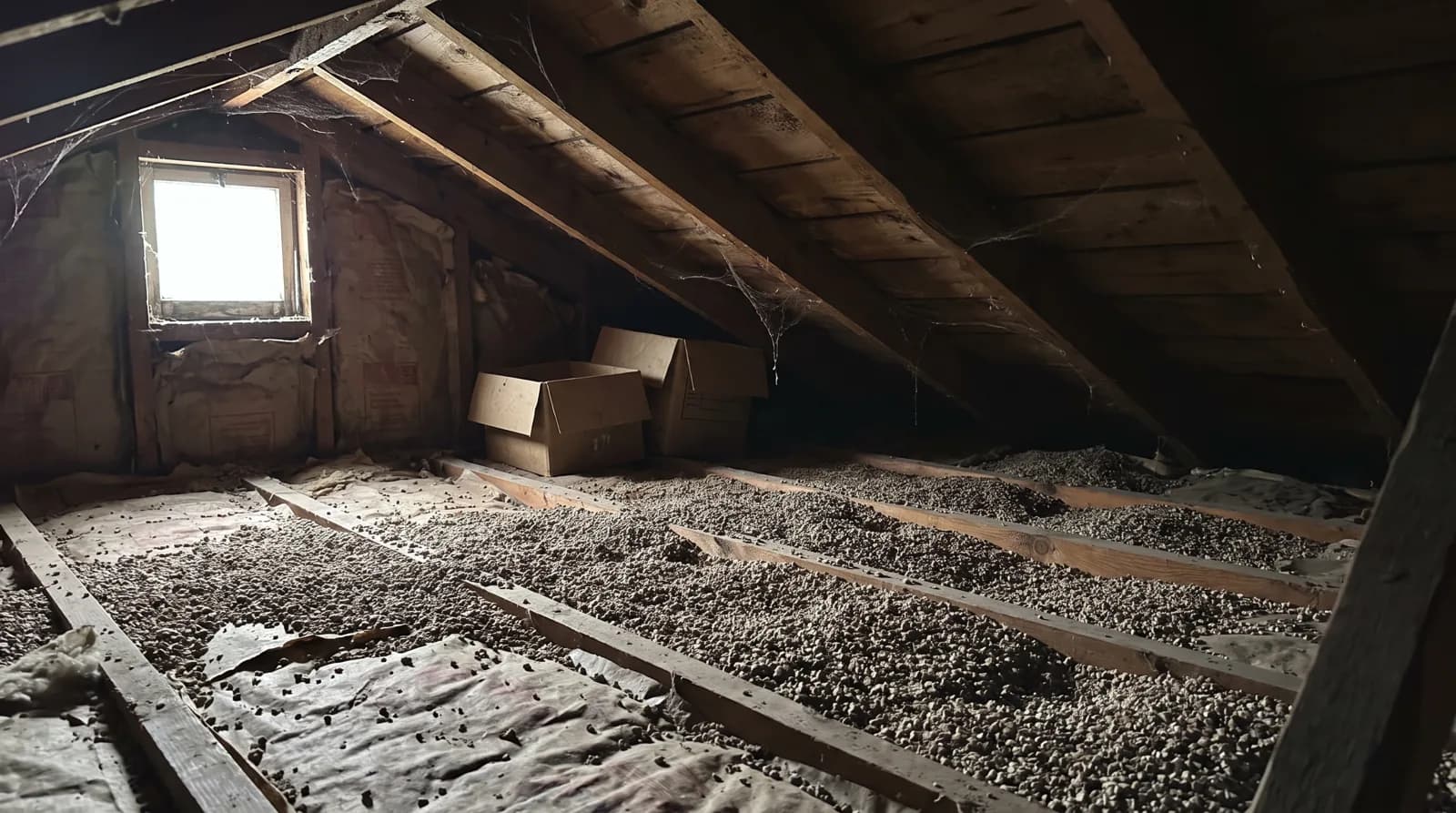
How Do You Know if Your House Has Asbestos?
How to detect asbestos in a Montreal home: at-risk years, suspect materials, legal obligations and the only reliable way to confirm its presence before any work.
Read article
A poorly prepared interior demolition can quickly turn into a problem: unexpected structural damage, undetected asbestos, fines for work done without a permit.
The good news? With the right preparation, all of these risks are avoidable. Here is a practical guide to approaching your project in Montreal with confidence.
In Montreal, not all demolition work requires a permit, but many situations do. As a general rule, you need a permit if the work affects structural elements (load-bearing walls, beams, foundations), changes the layout of rooms, or involves electrical or plumbing work.
Requirements vary by borough. Rosemont, Plateau-Mont-Royal, Outremont and Westmount have stricter rules than other areas, particularly for heritage buildings. It is strongly recommended to check with your borough or work with a contractor who manages permits as part of their service.
Good to know
Kasa Demolition reviews the permits required as part of every quote and submits applications directly to the relevant boroughs.
Before the first swing of the hammer, three risks deserve special attention.
Homes built before 1990 may contain asbestos in insulation materials, floor tiles, plaster joints or textured ceilings. Only a lab test can confirm or rule out its presence.
Never assume an older building is asbestos-free. If hazardous materials are detected, certified firms must intervene before demolition work begins.
Demolishing a load-bearing wall without putting the necessary reinforcements in place can compromise the structure of the building. A qualified demolition contractor knows how to identify load-bearing walls and assess structural risks before starting work.
Shutting off and securing utilities (water, electricity, natural gas) is a mandatory step before any demolition begins. This must be done by certified professionals: a licensed electrician for the electrical panel, a plumber for the plumbing. Never attempt to shut off these utilities yourself in a multi-unit building.
An assessment before you start
Kasa Demolition visits your site to identify risks, review the permits required and prepare a detailed quote. No cost, no obligation.
Request a Free AssessmentChoosing your contractor is the most important decision of your project. Here are the criteria to check before signing a contract.
Verifiable online at rbq.gouv.qc.ca. Without an RBQ license, a contractor is not legally authorized to carry out the work.
Proves that workers are insured. If a worker is injured on your property and the contractor has no CNESST certification, you could be held liable.
Recommended minimum coverage: $1,000,000. Kasa Demolition is covered for $5,000,000.
Every line item should be clearly listed: labour, debris removal, permits, CNESST compliance. A verbal price is not a contract.
Ask to see similar completed projects and contact information for previous clients.
Once you have selected a contractor and signed a contract, here is how to prepare your space to minimize disruption.
A well-executed interior demolition follows a precise order that minimizes risk and keeps the project on schedule.
Water, electricity and natural gas secured by certified professionals.
Barriers, plastic sheeting, HEPA containment if required under CNESST standards.
Cabinets, countertops, tile, flooring and suspended ceilings removed first.
Drywall, plaster panels, insulation and mineral wool.
Walls, beams or sections of flooring after structural validation.
Debris sorted and brought to certified sorting facilities. Site delivered clean.
Before choosing your contractor, ask these questions directly. The answers will tell you a lot about how serious they are.
In short
A well-prepared interior demolition starts long before the first swing of the hammer. Permits, risk assessment, choosing a certified contractor and preparing the space: these four steps protect you legally, financially and physically.
If you own a home in Montreal and are planning a renovation project, start with an on-site assessment by a qualified demolition contractor.

Cristian Mora
Co-Founder, Kasa Demolition
Cristian Mora is co-founder of Kasa Demolition and oversees estimating and technical coordination. The son of an immigrant builder, he carries on a 40-year family legacy in construction with a modern, disciplined approach.
July 23, 2026 · 9 min
How to detect asbestos in a Montreal home: at-risk years, suspect materials, legal obligations and the only reliable way to confirm its presence before any work.
Read article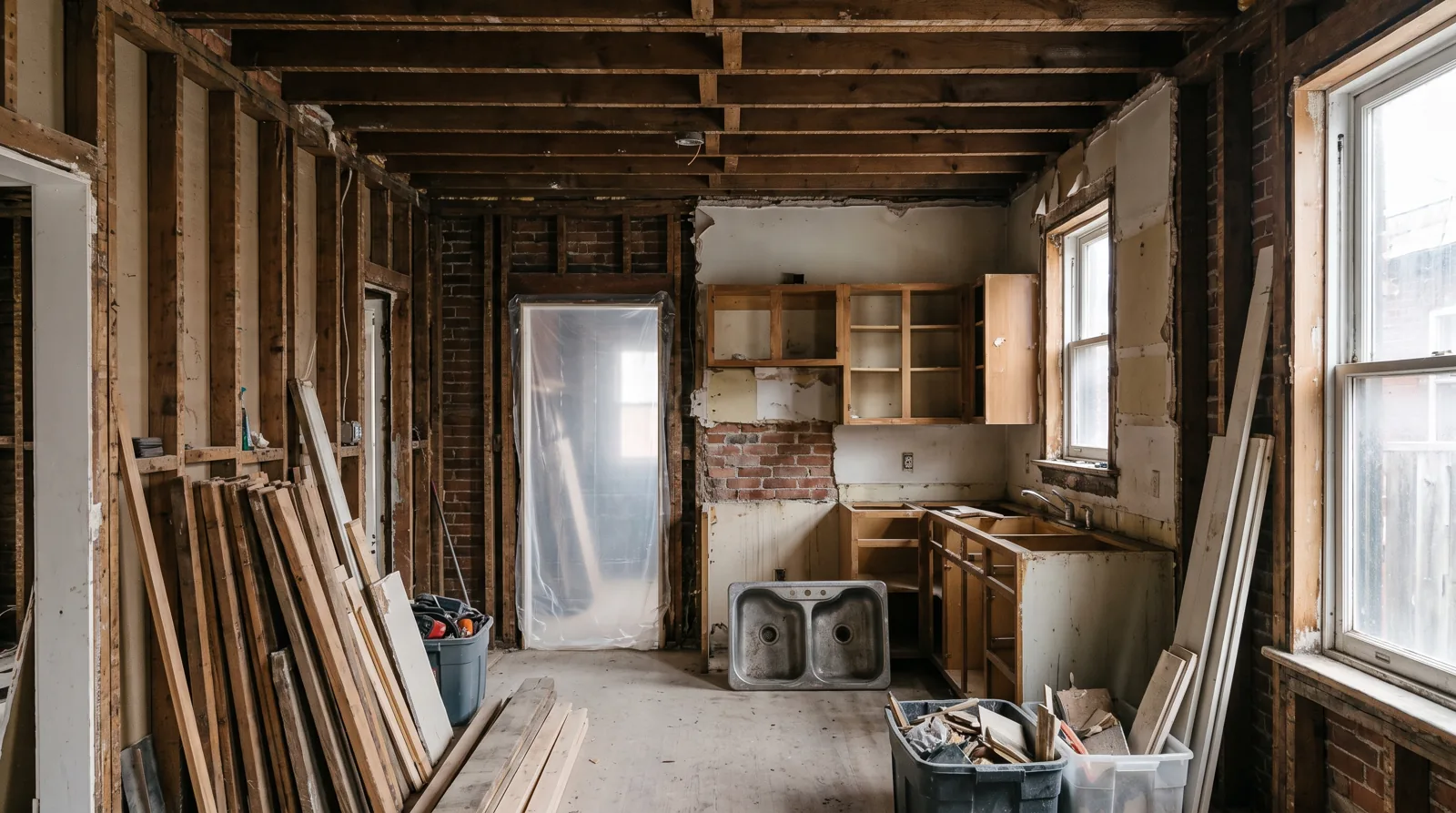
July 23, 2026 · 8 min
Realistic price ranges for interior demolition in Montreal: cost per square foot, debris, permits and asbestos. What drives the bill and how to get a fair quote.
Read article
April 2, 2025 · 7 min
A complete guide to demolition permits in Montreal. When you need one, what affects the cost, and how to get it without delays.
Read articleOn-site assessment included. Available 7 days a week, 8 AM to 10 PM.