
Safety
July 23, 2026 · 9 min
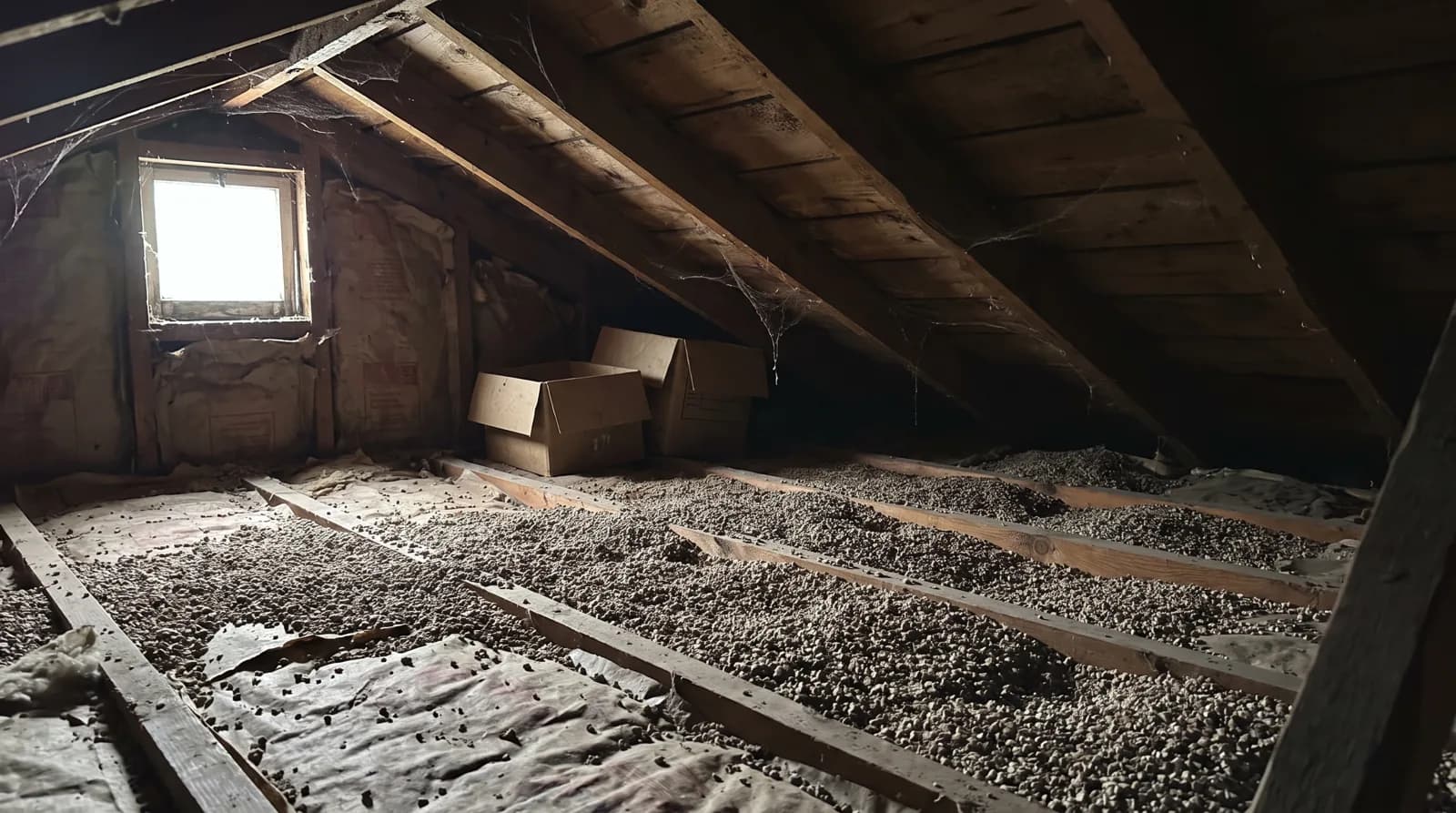
How Do You Know if Your House Has Asbestos?
How to detect asbestos in a Montreal home: at-risk years, suspect materials, legal obligations and the only reliable way to confirm its presence before any work.
Read article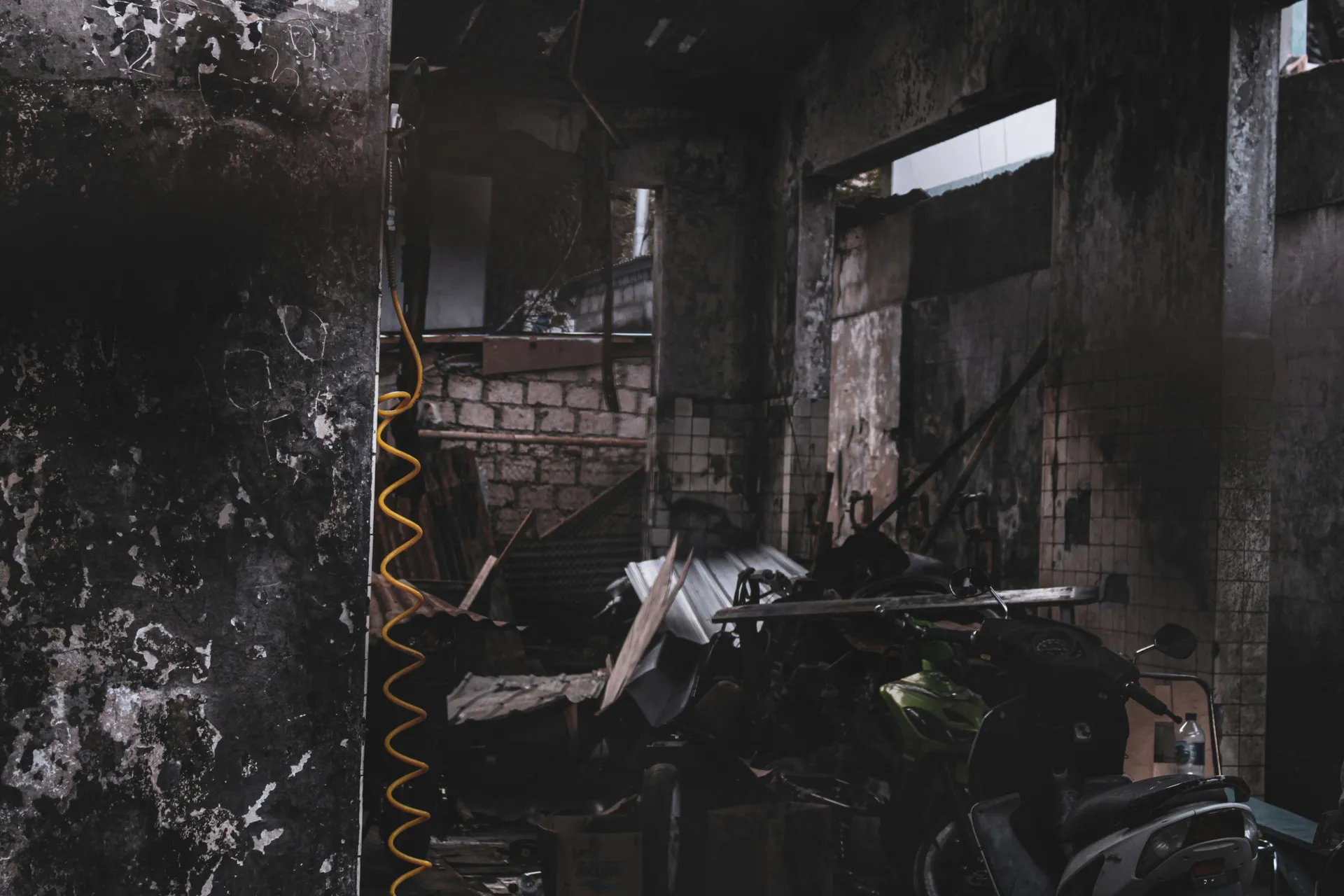
After a fire or water damage, every hour counts. The decisions made in the first 48 hours can have a significant impact on your insurance claim. Here are the 5 most common mistakes, and how to avoid them.
Before any demolition work, your insurer needs to be notified. Demolishing before receiving written authorization can invalidate your claim. Most insurance companies require a preliminary inspection of the damaged space before work begins.
Once the damaged materials are removed, it becomes impossible to show them to your insurer. Before work begins, photograph and document the state of the space: the extent of the damage, the materials affected and the property that was damaged.
This documentation should include before and after photos, a detailed report of what was removed, and disposal records for the materials. Without this evidence, your insurer may question the extent of the claim.
Your insurer typically appoints an adjuster to assess the damage and determine what is covered. Demolishing before this visit can complicate their assessment and create disagreements about the scope of work to be covered.
When the situation allows, it is best to coordinate the demolition schedule with the adjuster's visit. The assessment then happens on site, with you, the adjuster and the demolition team working together to identify compromised elements and the areas that need to be addressed.
In an emergency, some homeowners call the first available contractor without checking their RBQ license, CNESST certification or liability insurance. This decision can affect your claim: an RBQ license is often required by insurers to validate post-disaster demolition work.
A contractor without liability insurance also exposes you to additional risks if damage occurs during the work, on top of the damage already caused by the disaster itself.
Water damage or flooding creates conditions where mould can develop within 24 to 48 hours. In buildings built before 1990, a disaster can also expose materials containing asbestos.
If asbestos, mould or other contaminants are suspected or confirmed following a disaster, certified firms must intervene under CNESST protocols before demolition resumes. Skipping this step puts occupants and workers at risk.
In short
After a disaster, acting quickly matters, but not at the expense of your insurance claim. Notifying your insurer, documenting the damage, coordinating with the adjuster, choosing a certified contractor and assessing contamination risks: these reflexes protect both your claim and your safety.
If you are dealing with a disaster in Montreal, a fast and coordinated response makes all the difference.
Post-Disaster Response
Kasa Demolition coordinates with insurers and handles demolition and reconstruction after a disaster.
Learn more
Cristian Mora
Co-Founder, Kasa Demolition
Cristian Mora is co-founder of Kasa Demolition and oversees estimating and technical coordination. The son of an immigrant builder, he carries on a 40-year family legacy in construction with a modern, disciplined approach.
July 23, 2026 · 9 min
How to detect asbestos in a Montreal home: at-risk years, suspect materials, legal obligations and the only reliable way to confirm its presence before any work.
Read article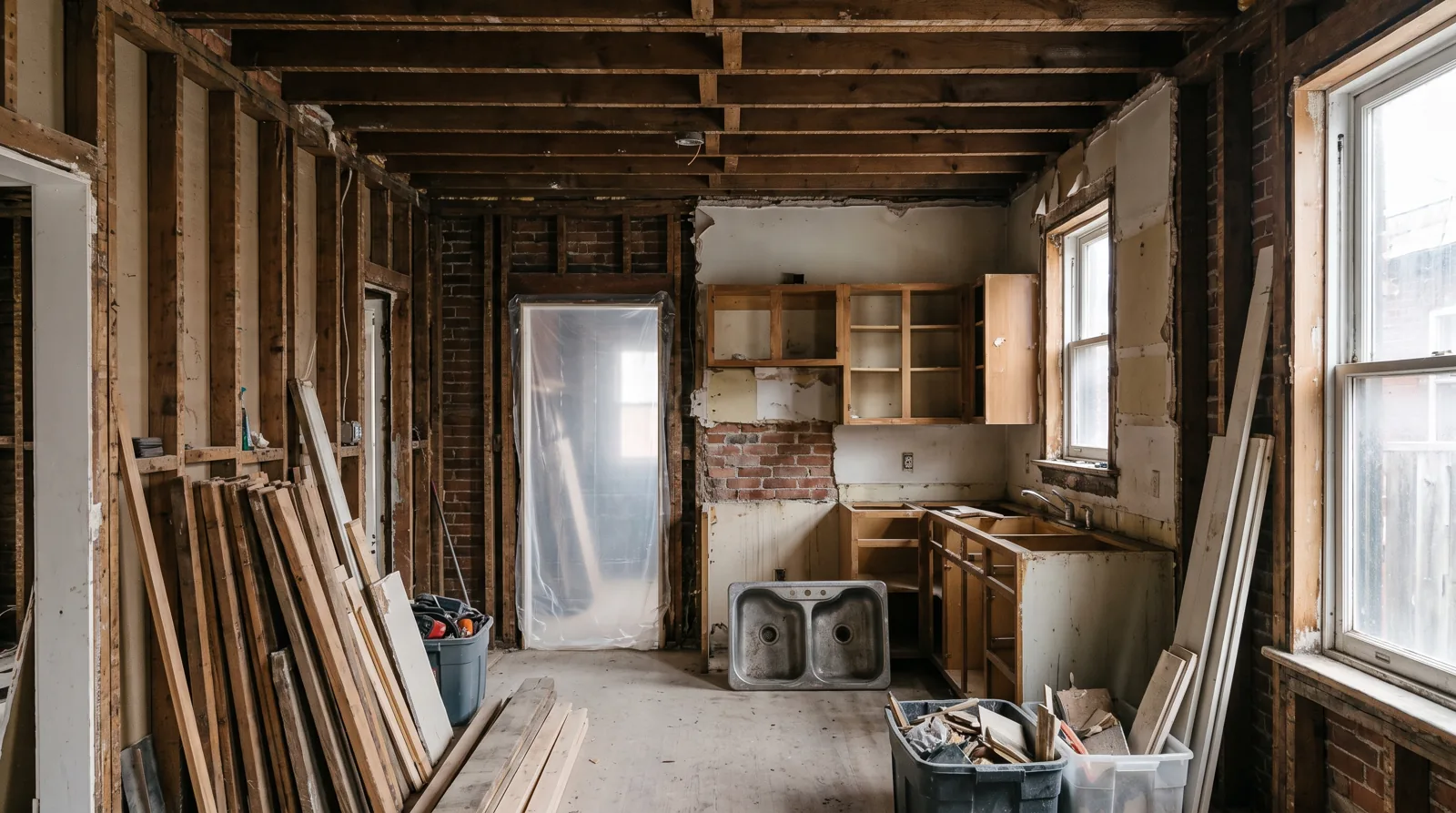
July 23, 2026 · 8 min
Realistic price ranges for interior demolition in Montreal: cost per square foot, debris, permits and asbestos. What drives the bill and how to get a fair quote.
Read article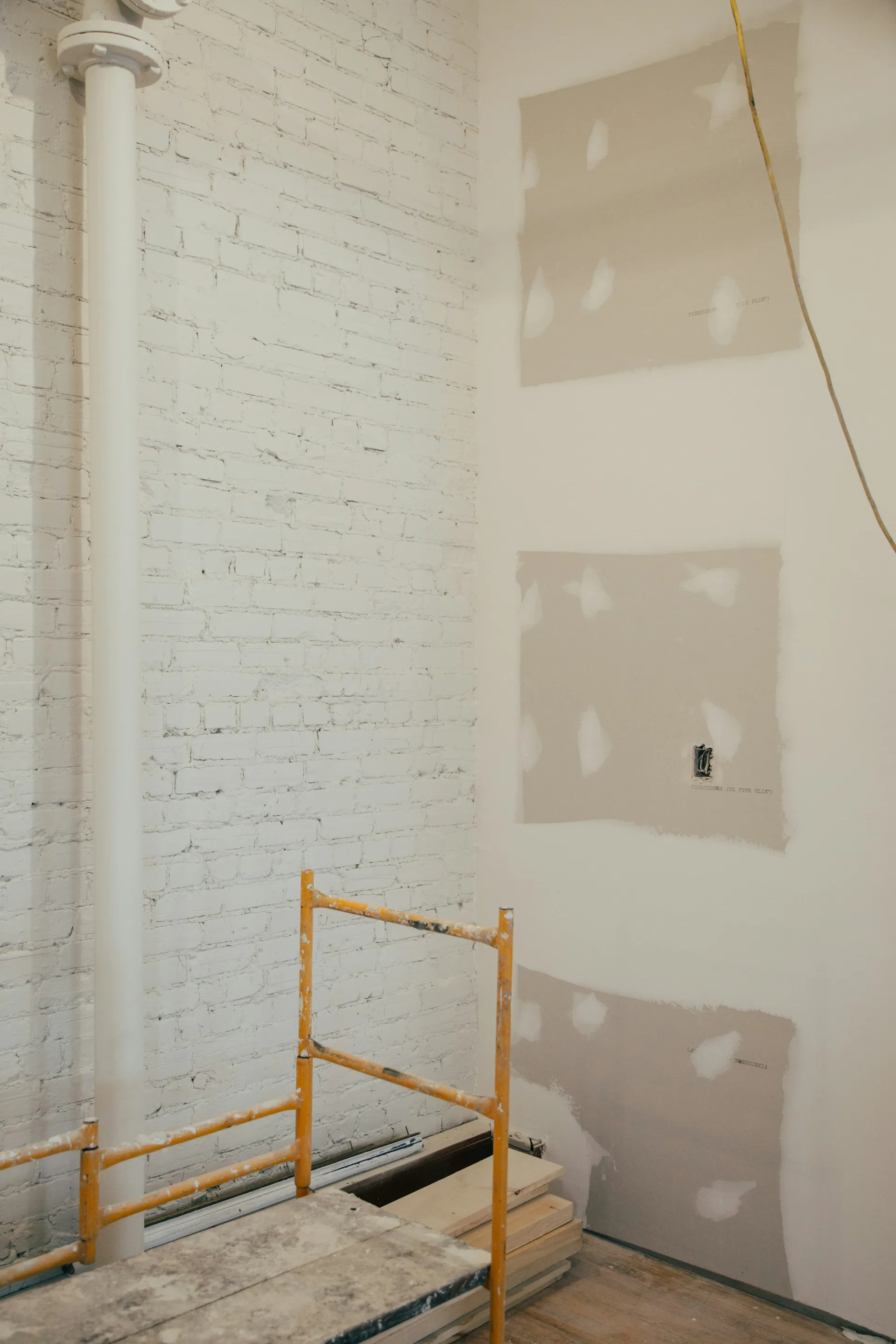
May 15, 2025 · 7 min
Everything you need to know before starting an interior demolition. Permits, safety, choosing a contractor, and protecting the spaces you want to keep.
Read articleOn-site assessment included. Available 7 days a week, 8 AM to 10 PM.